 HR
HR Project Newsletter — Two and a half years in, and the momentum has only grown.
Date of publication: June 5, 2026.
Seven organizations from six countries — Belgium, Spain, Croatia, Bosnia and Herzegovina, Kosovo, and Albania — joined forces under the Empowering Human Dignity of EU and Western Balkans Youth (EHDEU&WBY) project financed by the Erasmus+ Program of the European Union, the goal was straightforward: give young people from both EU and Western Balkan countries meaningful opportunities to connect, learn, and grow together — regardless of geographic or economic barriers. Looking back across the implementation period from mid-2023 to the end of 2025, that goal has been met with real, measurable results.
What we delivered - Close to 40 virtual sessions were implemented across five program strands, engaging so far approximately 490 participants from all six partner countries. The activities covered youth leadership, human dignity and EU values, critical thinking and media literacy, hybrid project participation, and intercultural dialogue — all delivered online, making them accessible to young people who would otherwise have limited access to international learning experiences.
Each partner brought something distinct to the table, and together they made the program what it was. World Youth Alliance Europe coordinated the project and led advocacy and leadership sessions, drawing on its expertise in connecting young people with EU values and human dignity education. In Bosnia and Herzegovina, BRAVO organized two Winter Academies — structured experiences that gave participants from across the Western Balkans practical tools in civic engagement and youth leadership.
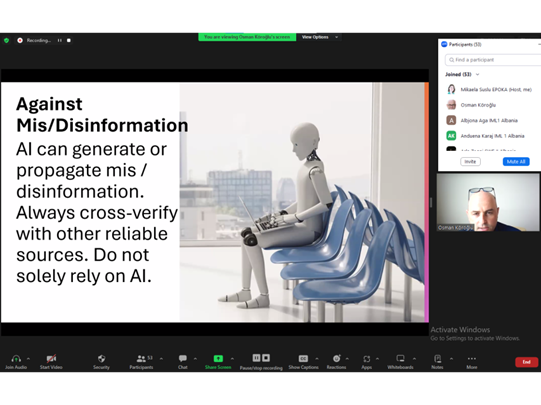
The media literacy strand came alive through the work of EPOKA University in Albania, which designed and delivered four expert seminars on topics ranging from civic discourse and data privacy to the influence of artificial intelligence on the information we consume daily. Promoted in both Albanian and English and reaching a social media audience of nearly 3,000 people, the sessions went well beyond their registered participants. AMJE from Spain added a complementary voice to this strand with its own Critical Thinking and Media Literacy event in November 2025, exploring the responsibilities of audiences in an era of information overload. Closing the circle on the intercultural dimension, KVRP from Kosovo hosted two Intercultural Talks sessions that gave participants from all six countries a genuine space for peer dialogue — on identity, shared values, and what it means to build bridges across borders.
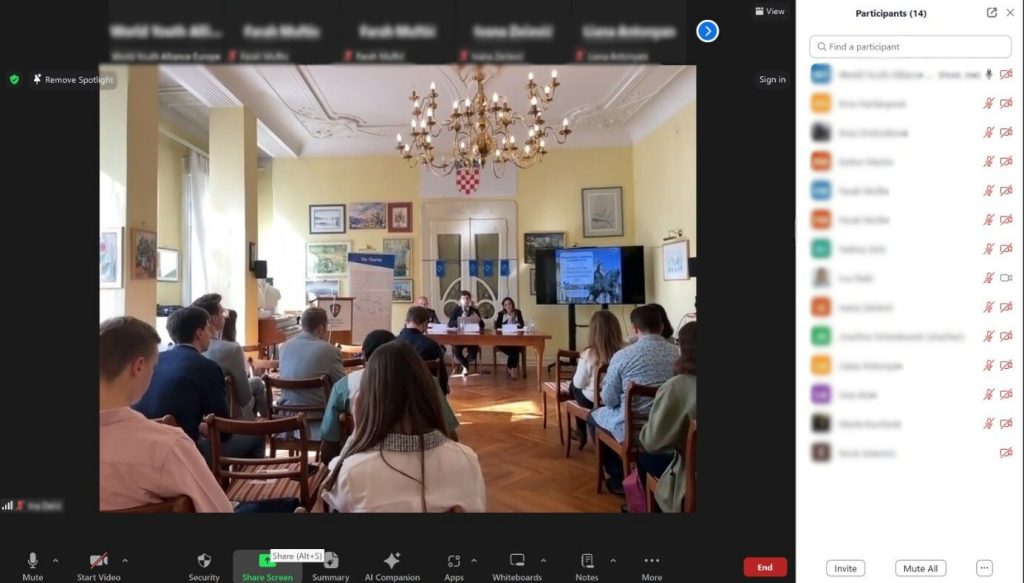
Connecting virtual and in-person realities – A special element of the program was the Hybrid Projects strand, which connected online participants directly to existing in-person events. Young people from six countries joined international conferences and expert presentations virtually — demonstrating that quality intercultural learning does not require physical travel, and opening doors for youth who could not otherwise participate in such events. Certified Training Program sessions on Human Dignity and EU values were delivered in small groups of 5–10 participants, ensuring depth of discussion and engagement with topics such as fundamental rights, solidarity, and democratic values.
Impact and Reach – Beyond the session figures, the project generated tangible impact. Participants developed competencies in critical thinking, media literacy, leadership, and intercultural communication — skills directly relevant to civic and professional life. The program-maintained focus on inclusion, with active outreach to young people with fewer opportunities To amplify impact beyond direct participants, the consortium produced over 60 press releases and newsletters during the first reporting period alone, with dissemination continuing into the second period.